
Sunday 8 March is International Women's Day. Throughout history, the roles of women have often been hidden away, forgotten or simply not recorded. However, that does not mean that they did not play an important role in Breda, the Netherlands or even at European level. William of Orange and Henry III of Nassau are well-known names, but who were the women behind these gentlemen of Breda?
Johanna van Polanen (1392–1445)
As heiress to the lordship of Breda, the wealthy Johanna was an attractive and politically tactical bride in the early 15th century. She was only 11 years old when she married the 22-year-older German count Engelbrecht van Nassau. Through this marriage, Engelbrecht received the title “Lord of Breda”. Thanks to Johanna, the roots of the House of Nassau, and later the Dutch royal family, lie in Breda.
Barbara of Nassau (1502?–1554)
Barbara was an illegitimate daughter of Engelbrecht II of Nassau. She was prioress (head) of the Vredenberg convent, near Breda. Barbara devoted her life to God and, together with the other nuns, cared for the poor in the city.
Mencía de Mendoza (1508–1554)
King Charles I of Spain arranged for Mencía de Mendoza to marry Henry III of Nassau-Breda. In addition to being one of the most sought-after marriage prospects of her time (as a marquise with a large family fortune), Mencía was known as a great lover of culture. The couple moved to Breda in 1530 and took up residence in Breda Castle, which had been commissioned to be converted into a Renaissance castle. During her stay, she turned the castle into a cultural centre and invited many artists, humanists and scientists to ensure an artistic atmosphere. She also promoted culture in Breda and commissioned improvements to the Grote Kerk and the Prinsenkapel, among other things.
Anna of Saxony (1544–1577)
The marriage between William of Orange and his second wife was strategic: Anna of Saxony brought with her noble status and important ties to German princes. The marriage lasted ten years, but was not particularly happy. Despite their six children, Anna was often alone in Breda. While rumours about William's alleged mistresses circulated in Brussels, Anna herself began an affair with her advisor. When it became known that she had committed adultery, she was forced to agree to a divorce, despite the double standards. She was then declared insane and imprisoned. Anna was locked up in a windowless room and would never see her children again.
Maria van Nassau (1556–1616)
William's eldest daughter Maria is the eldest daughter of William of Orange. She was born at Breda Castle and supported her father through thick and thin. Maria witnessed the first, unsuccessful attempt on William's life. In May 1582, William's third wife, Charlotte de Bourbon, died of exhaustion. Maria took in their six young children. Two years later, her own father was murdered before her eyes. Maria was very involved in charity work and in 1612 she founded an orphanage in Buren.
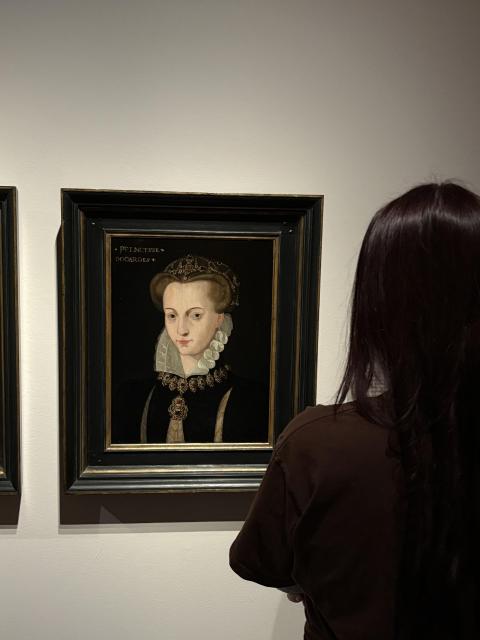
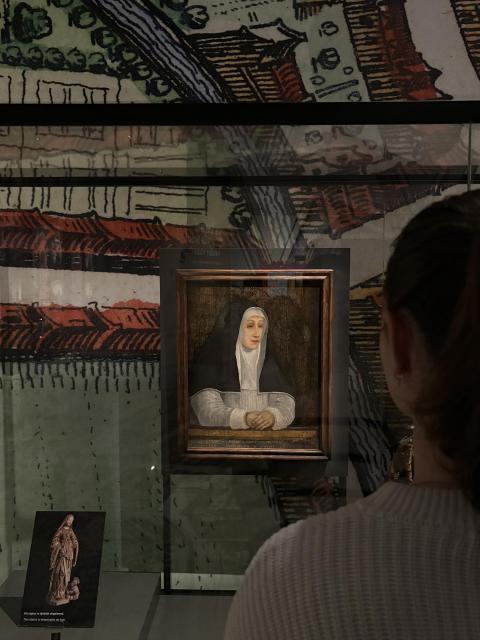
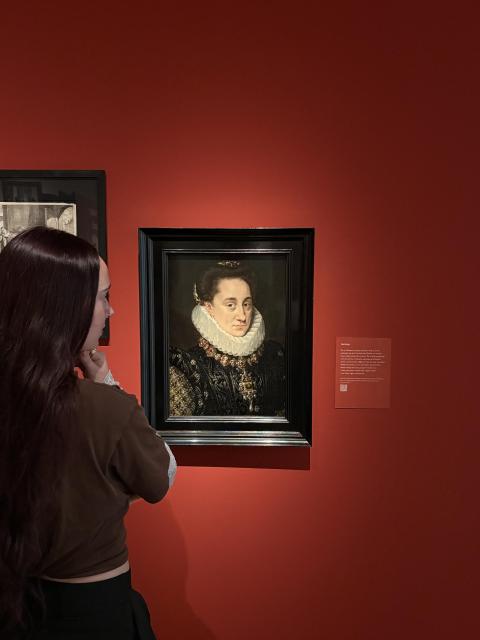
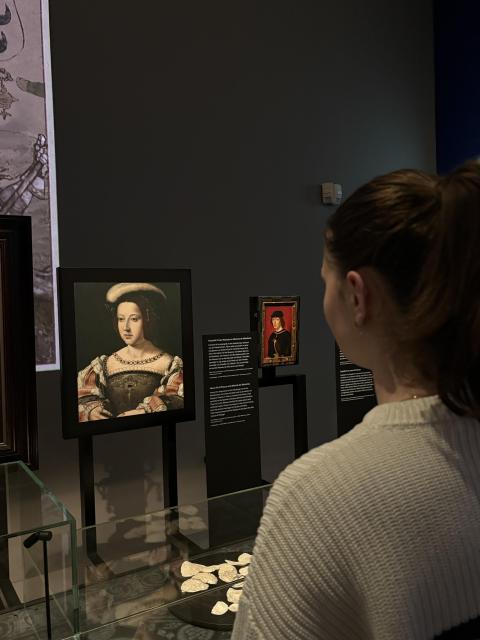
Photo 1: Anna of Saxony
Photo 2: Barbara van Nassau
Photo 3: Maria van Nassau
Photo 4: Mencía de Mendoza